Bad credit loans
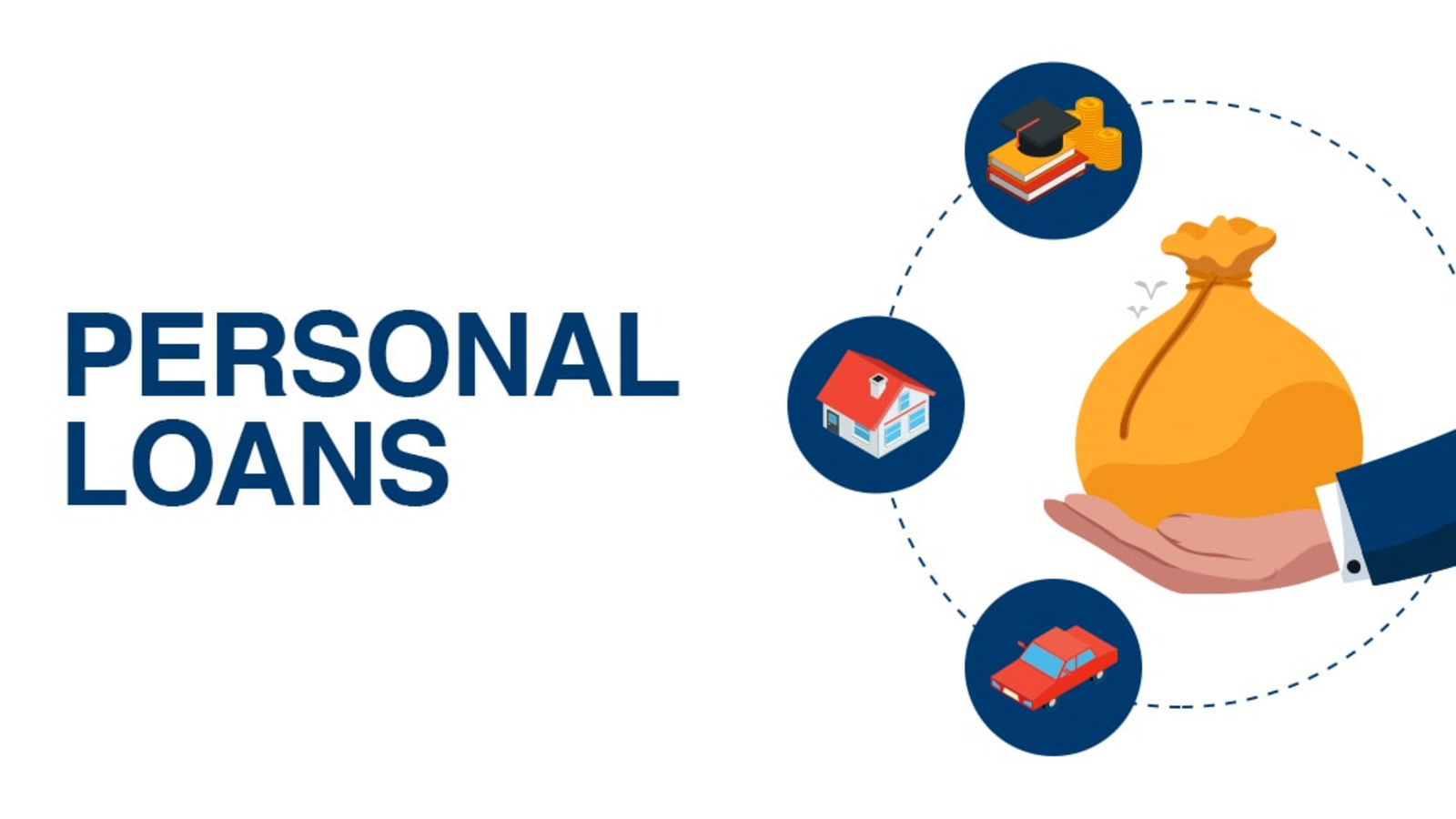

Seize control of your financial situation by considering bad credit loan options that align with your needs. Tailored specifically for individuals with less-than-perfect credit histories, these loans provide an opportunity for financial redemption. With a meticulous approach, it's possible to find options that not only meet immediate needs but also support the path toward credit improvement.
Bad credit loans come in various types, from secured loans backed by collateral to unsecured options based on income stability. By analyzing factors such as interest rates, repayment terms, and lender credibility, you can navigate toward a loan that complements your financial circumstances. It's crucial to understand the advantages and limitations of each option to make an informed decision.
Thorough research remains key to securing favorable terms, especially in a market crowded with offerings. Consider leveraging online comparison tools and consumer reviews to gain insights into potential lenders. Engage directly with lenders to inquire about fees and conditions, gaining clarity on the full financial commitment involved. Acting decisively with the right information can rectify financial instability and establish a foundation for improved credit.
Identifying When a Bad Credit Loan is a Suitable Option
Consider a bad credit loan when traditional lenders reject your applications due to a low credit score but you still need immediate funds. Assess the costs carefully; ensure the loan terms are transparent and that interest rates, though higher, are competitive compared to other bad credit offerings. Before proceeding, evaluate your repayment capacity to avoid further financial strain.
Bad credit loans can be a lifeline in emergencies like unexpected medical expenses or urgent home repairs. Always compare different lenders, checking online reviews and customer experiences to find a reputable one. Remember to prioritize loans that report to credit bureaus; on-time repayments can slowly rebuild your credit score.
Managing Loan Terms and Expectations
Read the fine print of loan agreements. Look for flexible repayment options and penalties. Be wary of unreasonably high fees, which can offset the benefits of quick approval. Reach out to lenders for clarification on terms you don’t understand to mitigate risks.
Alternatives to Bad Credit Loans
Explore alternatives, such as borrowing from friends or family, negotiating payment plans with creditors, or reaching out to credit counseling services for guidance. These options might save you from potential pitfalls associated with bad credit loans.
Different Types of Bad Credit Loans Available
Consider exploring various types of bad credit loans to find one that fits your financial needs. Each option varies in terms of flexibility, term length, and eligibility, allowing you to make an informed decision.
- Personal Loans: Often considered the most accessible type, personal loans for those with bad credit typically offer fixed interest rates and set repayment schedules. They can be used for a variety of purposes such as debt consolidation or emergency expenses.
- Secured Loans: Secured loans require collateral, like a car or real estate, providing lenders with assurance, which may result in more favorable terms, including lower interest rates. While they carry the risk of asset forfeiture in case of default, they often accommodate borrowers with poor credit scores.
- Payday Loans: Designed for short-term financial needs, payday loans offer quick access to funds, typically with high interest rates and fees. Although easily accessible, they're best used sparingly due to their potential to lead to cycling debt.
- Credit Union Loans: Local credit unions may offer loans to members with bad credit at more competitive rates than traditional banks. Joining a credit union might require meeting certain criteria, but it can be a viable alternative to predatory lenders.
- Peer-to-Peer Loans: These loans leverage online platforms to connect borrowers directly with individual lenders. Interest rates might vary, depending on the lender’s assessment of risk, but this option tends to offer more lenient credit requirements.
- Title Loans: Using your vehicle as collateral, title loans provide borrowers with immediate cash access. While advantageous if you own a vehicle outright, the risk of losing your car in case of default remains high.
Research and compare these options to make sure you choose the right loan tailored to your circumstances. Always scrutinize the terms and conditions to understand the overall cost and obligations associated with the loan.
Steps to Qualify for a Bad Credit Loan
Ensure a stable income source, as lenders prioritize applicants who demonstrate a reliable ability to repay. Gather proof of employment, recent pay stubs, or bank statements to show consistent earnings. This evidence reassures lenders of your financial stability despite past credit issues.
Prepare a comprehensive list of collateral options if you’re considering a secured loan. Identify valuable assets like cars, savings accounts, or property that can back the loan if needed. This step not only increases approval chances but may also lead to better interest rates.
Check and understand your credit score to identify realistic loan options. Use free resources to obtain your credit report, noting any discrepancies or outdated entries. Correcting errors with credit bureaus can significantly improve your score before applying.
Communicate with Lenders
Establish open communication with potential lenders to learn about their criteria and available products. Direct conversations help build rapport and clarify any specific eligibility requirements, ensuring you apply for suitable loans.
Explore Co-Signer Options
If your credit score is particularly low, consider involving a co-signer with strong credit. This strategy shares repayment responsibility, increasing the lender’s confidence and boosting your chances of securing the loan.
Evaluate debt-to-income ratio (DTI) by dividing monthly debt payments by your gross monthly income. A lower DTI ratio is favorable, often leading to better loan terms. If possible, pay down existing debts to improve your DTI before applying.
Collect all necessary documentation, including identification, proof of address, and financial records, to streamline the application process. Well-organized paperwork signifies seriousness and preparation, influencing lender perceptions positively.
How to Compare Lenders for Bad Credit Loans
Begin your comparison by thoroughly researching interest rates. Examine both fixed and variable rates to determine which suits your financial situation better. Pay close attention to the annual percentage rates (APR) that include any additional fees, as this provides a clearer picture of the total loan cost.
Check Lender Reputation and Customer Reviews
Investigate each lender’s reputation. Look for reviews and ratings from past customers on multiple platforms to get a well-rounded understanding of their service quality. High ratings and positive feedback often indicate a trustworthy lender.
Evaluate Terms and Conditions
Carefully scrutinize the terms of the loan agreement. Focus on repayment periods, penalties for late payments, and any flexible repayment options. Understanding these specifics will help you gauge the lender's willingness to accommodate your unique financial needs.
Next, assess the lender's eligibility criteria. Some lenders may offer more lenient terms for individuals with poor credit scores, so it is crucial to identify who they are to increase your approval chances.
Lastly, consider the application process. Some lenders offer online platforms with quick approval and funding, while others might require a more extensive process. Opt for a lender whose application procedure aligns with your urgency and convenience requirements.
Understanding Interest Rates and Fees for Bad Credit Loans
Focus on requesting a detailed breakdown of all charges before agreeing to any loan terms. Interest rates for bad credit loans are typically higher than standard loans because lenders perceive you as a higher risk. Expect rates ranging from 10% to a daunting 35% or more. Comparing multiple offers can reveal significant cost differences.
Interest Rate Types: Fixed vs. Variable
Fixed interest rates remain consistent throughout the loan term, providing predictable monthly payments. This stability can help in budgeting. On the other hand, variable interest rates change over time, potentially increasing your repayment amount. Understand the implications before settling on a loan type.
Additional Fees to Consider
Beyond interest rates, pay attention to associated fees, such as origination fees, which could range from 1% to 5% of the loan amount. Missing or late payment penalties can also accumulate rapidly. Investigating these aspects allows you to choose the most cost-effective option.
Ask lenders about possible prepayment penalties. Some loans might charge extra if you pay off your loan early. Understanding these terms ensures you won't face unexpected costs.
To summarize, always weigh both interest rates and fees when evaluating bad credit loan offers. This thorough approach can save you money and offer better financial stability.
Strategies to Improve Your Credit Score Before Applying
Pay down existing debt as much as possible, focusing on high-interest credit cards first. This action not only reduces your overall debt-to-income ratio but also shows responsible financial behavior.
Set up payment reminders and organize automated payments to ensure that no bill is ever late. Payment history heavily impacts your credit score, making on-time payments crucial for improvement.
Consider diversifying your credit mix by responsibly adding a type of credit you haven't used before. For instance, if your portfolio has only credit cards, a small personal loan may help. However, ensure you can manage additional debt before proceeding.
Regularly check your credit report for errors or fraudulent accounts. If discrepancies are found, dispute them immediately to potentially regain lost points and secure a more accurate representation of your credit health.
Limit new credit inquiries or loan applications, as each can slightly reduce your score. Strategically apply only when necessary to minimize these impacts.
Keep unused credit accounts open, as they contribute to your overall available credit, benefiting your credit utilization ratio. Closing accounts can inadvertently increase your credit utilization, which can negatively affect your score.
To track your credit score improvement journey effectively, consider using personal finance apps that provide regular updates and actionable insights, helping you witness incremental progress and adapt your strategies accordingly.
Action Impact on Credit Score Paying down debt Decreases debt-to-income ratio Setting up payment reminders Improves payment history Diversifying credit mix Potentially enhances credit profile Checking credit report for errors Corrects inaccuracies quickly Limiting new credit inquiries Prevents score reduction Keeping accounts open Benefits credit utilization ratio